
















List the locations of the following stadiums: Green Park Stadium Indira .
List the locations of the following stadiums: Green Park Stadium Indira .
The Pinjore Heritage train has been restored to take the passengers to the tourist spots and heritage sites situated in the garden. This Hindu temple is believed to be built between the 8th and 11th centuries. Later during the Patiala dynasty rule, the garden was revived and reformed. The locals started believing that the water and air of Pinjore have got contaminated and they left the beautiful place to never come back.
thoughts on “Yadavindra Gardens, Pinjore: A Complete Visitor’s Guide Crazy Hodophile 2026”
Baisakhi, the harvest festival of Punjab, is also enthusiastically celebrated. During Diwali, the garden glows with thousands of lights, diyas, and decorative elements. It celebrates Haryana’s rich heritage against the garden’s historical backdrop. The garden transforms into a royal celebration of art, culture, and history. Held annually, the Pinjore Heritage Festival is a grand cultural extravaganza organized by the Haryana Tourism Department.
- Entry charges for the Pinjore Garden Water Park are separate, so if you plan to visit the water park, you will need to purchase an additional ticket.
- At that time, the Nawab was the Governor of the Province and during one of his tours, he happened to visit the Pinjore valley.
- As visitors enter through the big entrance, the first terrace created in Mughal Style will be the first thing they would see.
- The garden is decorated with lights, cutouts, platforms, decorated gates and illuminations.
What are the business hours for Yadavindra Gardens, Pinjore?
Since the time of Shah Jahan, mughals reserved the pavilions with Balustered columns supporting the cusped arches only for the use of emperor and his immediate family, hence, it was likely built for Aurangzeb's personal use as summer retreat. It was built in the foothills of Himalayas as one of the Mughal gardens summer retreat for the Aurangzeb (r. 1658–1707), who then had his capital at Lahore, by his foster brother and architect Muzaffar Hussain. It is an example of the Mughal gardens architectural style, which was renovated by the Patiala dynasty Sikh rulers. The rest of the garden is laid out with ponds, flowers, trees, and fountains. During the visit to the Pinjore garden, one may also taste the local Haryanvi food. The temple is just 600 meters away from the Pinjore garden and is a must-visit site.
Steeped in history and brimming with natural beauty, this garden is a testament to the grandeur of Mughal horticulture and architecture. These festivals showcase the local traditions, arts, crafts, music, dance, and food of Haryana. The garden has a range of cuisines to offer, such as Indian, Chinese, Continental, and Mughlai. The garden has a variety of items to offer, such as handicrafts, pottery, paintings, jewelry, clothes, books, and snacks. The garden has various types of boats, such as paddle boats, row boats, and motor boats, that can be rented for a nominal fee.
It is styled by the magnificent mughal architecture and later renovated by Jat Sikh Rulers of Patiala. Yadavindra Gardens which was previously known as Pinjore Garden is a 17th century garden situated in Pinjore in district Panchkula in Chandigarh Tricity. The garden has a heritage hotel, called the Rajhans Hotel, which is located in the Rang Mahal terrace. Also, be mindful of the other visitors, and do not disturb or annoy them. However, it is advisable to carry your own water bottle, snacks, sunscreen, hat, etc., as the garden can get hot and dry during the day. Avoid visiting the garden during the summer months (April to June), when the temperature can rise up to 45°C, and the garden can get crowded and noisy.
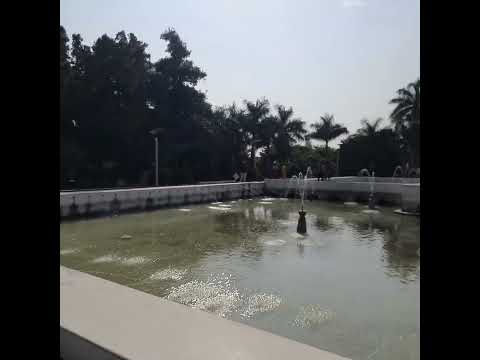
Unfortunately, that potential is currently lost to neglect, earning the gardens a modest 3 stars.The main issue is the lack of proper maintenance – the gardens are frankly in shambles. There is no prior clarification of prices while taking the order, which leaves customers surprised at the billing counter.I strongly recommend visitors to ask for the price list before ordering anything. For reference, tea costs ₹90 and hot coffee costs ₹120.This pricing feels misleading, especially in a public tourist place where visitors naturally expect fair and transparent rates. The prices are not clearly visible, as the rate list is displayed on a small board placed high above the shops, which most visitors are likely to miss. It is one of the best places to visit in the area and offers a peaceful and scenic environment.However, the food experience inside the garden was disappointing. But presently it needs lot of maintenance work.There is no water in fountains.
By Road
The garden, originally known as the Persian Gardens, was built in the 17th century during the reign of Mughal emperor Aurangzeb by Fidai Khan Koka, Aurangzeb’s foster brother. The main entrance leads to the highest terrace, where a palace stands as a testament to the fusion of Rajasthani and Mughal architectural elements. Drawing inspiration from renowned gardens like Shalimar Bagh in Kashmir. Spread over 100 acres, the garden reflects the grandeur of Mughal architecture with elements of Rajasthani and Persian styles. Pinjore Heritage Festival, a two-day winter festival held every year in the last week of December, showcases exquisite cultural heritage of the state and region with cultural performances, dance and music competitions, craft bazar, food court and evening performances.

At the heart of the Pinjore Gardens lie the central waterway highlighted by beautiful fountains and lined with trees, offering a regal ambience that transports visitors through time. Over the years, it has attracted countless visitors with its tiered gardens, captivating water features, and the grandeur of the Shish Mahal and Hawa Mahal located within its precincts. Located in the majestic land of Chandigarh, the Pinjore Gardens, also known as Yadavindra Gardens, is a spectacular Mughal-style garden that invites visitors to embrace the confluence of history, culture, and natural beauty. The best time to visit Yadavindra Gardens is from October to March when the weather is cool and pleasant, perfect for exploring the gardens and enjoying outdoor activities. Built in a similar style to Shalimar Bagh in Kashmir, the garden has been laid in seven terraces, with the main gate of the garden opening into the highest first terrace, which has a palace built in Rajasthani–Mughal style.
Special festivals such as the Pinjore Baisakhi festival (spring Yadavindra Gardens festival) in April, Pinjore Mango Mela in July and Pinjore Heritage Festival in December are major annual celebrations at the gardens. A restored heritage train has been introduced to visit all the monuments and the gardens in the complex. The next terrace has the "Jal Mahal" (palace of water) with a square fountain bed and a platform to relax. Villiers-Stuart, who resided in the gardens for a time, included a description in her book on "Gardens of the Great Mughals" (1913).


