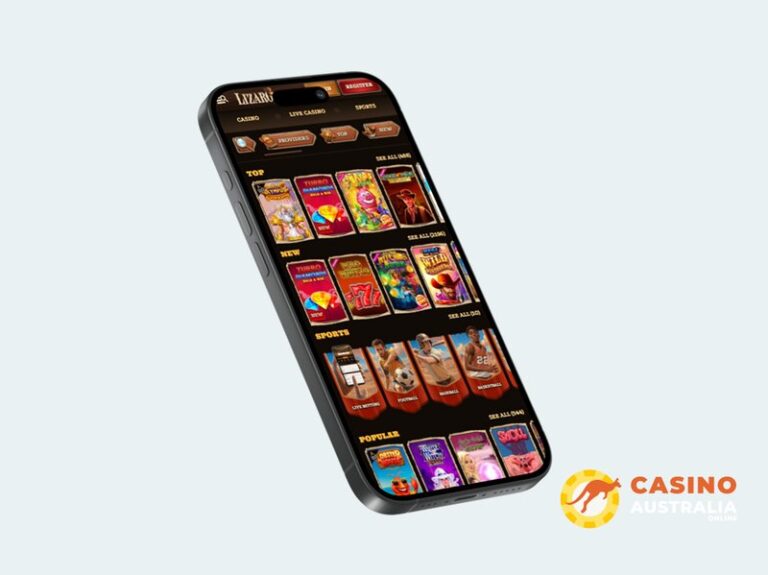
















Unlocking the Future of Mobile Entertainment with Cutting-Edge App Development
Mobile entertainment has come a long way since the first smartphones revolutionized the way we spend our free time. Who would have thought that watching movies or playing games on a portable device would become a daily habit for millions of people worldwide? The truth is, we’ve only scratched the surface of what’s possible. So, what’s next? How will mobile entertainment continue to evolve, and what role will cutting-edge app development play in shaping this future?
Designing Immersive Experiences
Creating truly immersive experiences requires more than just a great idea – it demands a seamless, intuitive interface that transports users to new worlds. This is where the latest trends in game development come in, particularly augmented reality (AR) and virtual reality (VR). By harnessing the power of these technologies, developers can craft interactive experiences that blur the lines between the physical and digital realms.
For instance, AR technology allows users to interact with virtual objects in their surroundings, while VR experiences can transport users to fantastical worlds. But to achieve this level of immersion, developers must also consider the importance of user feedback and testing. After all, a well-designed game or app is one that adapts to the user’s needs, not the other way around.
Crafting Engaging Storylines
A well-crafted storyline is the backbone of any engaging mobile game or app. It’s what keeps users invested and eager for more. This involves creating complex, multi-layered narratives that unfold over time, with unexpected twists and turns to keep players on the edge of their seats. By tapping into users’ emotions and psychological motivations, developers can create experiences that resonate on a deep level.
Take, for example, the rise of interactive fiction apps that allow users to influence the story through their choices. This type of immersive storytelling has the potential to revolutionize the way we experience mobile entertainment.
Personalizing the User Experience
In today’s competitive app market, personalization is key. By leveraging machine learning algorithms and real-time data analytics, developers can tailor the user experience to individual preferences and behaviors. This might involve adjusting game difficulty levels, recommending personalized content, or even adapting the app’s layout and design to suit the user’s needs.
Building for the Future
As mobile entertainment continues to evolve, app developers must stay ahead of the curve by embracing new technologies and innovations. This might involve exploring the potential of 5G networks, leveraging the power of cloud gaming, or even experimenting with new interfaces and control methods.
For example, cloud gaming services like those offered by https://100store.co.uk allow users to access high-quality games on any device, without the need for expensive hardware or complex setup. This opens up new possibilities for mobile gaming, enabling users to enjoy console-quality experiences on the go.

Overcoming Common Pitfalls
One common mistake app developers make is failing to test their products thoroughly before release. This can lead to a range of issues, from bugs and glitches to poor user reviews and low ratings. To avoid this, developers should prioritize testing and iteration, using user feedback to inform and refine their designs.
By following these principles and embracing the latest trends in cutting-edge app development, mobile entertainment is poised to reach new heights. As developers continue to push the boundaries of what’s possible, we can expect to see even more innovative, immersive, and engaging experiences in the years to come.
Frequently Asked Questions
What role will AI play in the future of mobile entertainment?
Artificial intelligence will enhance the immersive experience, allowing for personalized recommendations, dynamic content, and more.
How will 5G networks impact mobile entertainment app development?
5G networks will enable faster, more reliable, and lower-latency connections, paving the way for more complex, interactive, and immersive experiences.
Can you give an example of a cutting-edge mobile entertainment app?
Augmented reality games, like Pokémon Go, showcase the potential of innovative app development in revolutionizing the entertainment industry.