













Responsible Gambling in Azerbaijan – Limits, KYC, and Self-Exclusion
Player Protection Mechanisms in Azerbaijan – A Focus on Responsible Gambling Tools
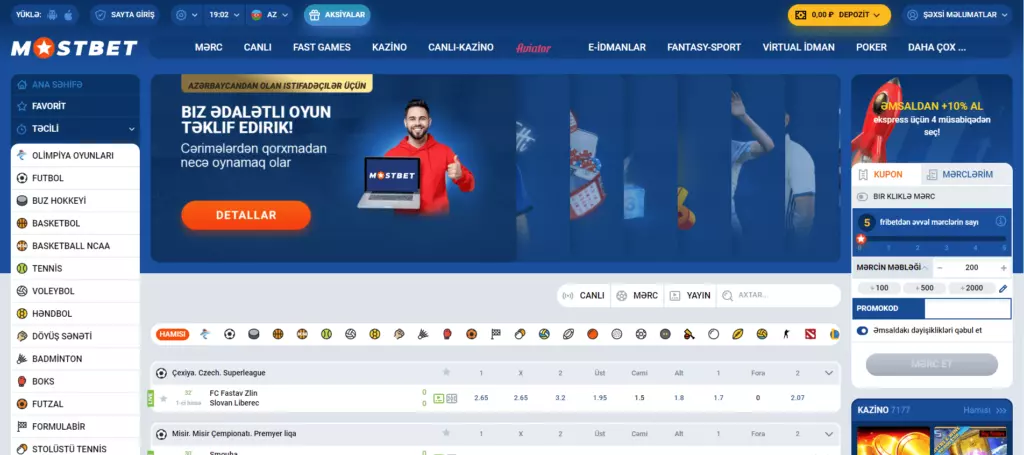
In Azerbaijan, the conversation around gambling is increasingly centered on player safety and regulatory frameworks. While the industry operates within specific legal parameters, the onus is on both regulators and service providers to implement robust protective measures. This analysis delves into the core tools of responsible gambling-deposit limits, Know Your Customer (KYC) procedures, and self-exclusion programs-examining their application, technological underpinnings, and effectiveness within the local context. Understanding these mechanisms is crucial for fostering a secure environment where entertainment does not compromise financial or personal well-being. For instance, a platform like mostbet, operating in the international space, would be subject to similar global standards of player protection, highlighting the universal importance of these tools.
Understanding the Legal and Regulatory Landscape in Azerbaijan
The regulatory environment for gambling in Azerbaijan is defined by specific national legislation. The government enforces strict controls to manage the sector, focusing on licensing, taxation, and the prevention of illegal operations. A critical component of this regulatory approach is the mandate for operators to integrate player protection protocols. These are not optional features but fundamental requirements designed to align the industry’s operations with social responsibility goals. The framework aims to balance economic activity with the protection of citizens, making the understanding of available tools essential for any participant in the market.
Key Regulatory Pillars for Player Safety
The foundational pillars of player safety in Azerbaijan stem from a combination of law and best practices adopted from international regulatory bodies. These pillars create a structured approach to mitigating risk.
- Mandatory Licensing and Oversight: Only licensed entities are permitted to operate, subject to ongoing audits and compliance checks.
- Enforcement of Age Verification: Strict prohibition of access for individuals under the age of 18, verified through rigorous KYC processes.
- Transparency in Terms: Requirements for clear, unambiguous communication of rules, odds, and financial terms to players.
- Data Protection Compliance: Adherence to laws governing the security and confidentiality of player personal and financial data.
- Promotion and Advertising Standards: Regulations limiting the content and targeting of gambling-related advertising to prevent exploitation.
Financial Safeguards – Deposit and Loss Limits
Deposit and loss limits are proactive financial tools that empower players to control their spending. By setting predefined ceilings on the amount of money that can be deposited or lost within a specific timeframe-daily, weekly, or monthly-these tools help prevent impulsive behavior and mitigate the risk of significant financial harm. In Azerbaijan, the effectiveness of these limits hinges on their prominence and ease of use within a platform’s interface, as well as the enforcement of mandatory cooling-off periods before a limit can be increased or removed.
The technological implementation of these limits is typically seamless, integrated directly into user account settings. Players should have the autonomy to adjust these limits downward immediately, while requests to raise them are often delayed by 24 to 48 hours. This “cooling-off” period is a critical psychological barrier, designed to prevent decisions made in the heat of the moment. The analytical value of these tools is also significant for operators, as aggregated, anonymized data on limit usage can help identify broader trends in player behavior and inform the development of even more effective protective measures.
| Limit Type | Typical Timeframe | Primary Function | Player Control Level |
|---|---|---|---|
| Daily Deposit Limit | 24-hour rolling period | Caps total funds added to account | High – adjustable with delay for increase |
| Weekly Loss Limit | Calendar week | Caps total net losses incurred | High – adjustable with delay for increase |
| Session Time Limit | Per active login session | Alerts or logs out after set duration | Medium – often easy to override |
| Wager Limit | Daily/Weekly | Limits total bet amount placed | High – adjustable with delay for increase |
| Instant Transaction Limit | Per single transaction | Restricts size of any one deposit | Medium – usually fixed or tiered |
The Critical Role of KYC – Know Your Customer
Know Your Customer procedures are the cornerstone of a secure and responsible gambling ecosystem. Far from being a mere bureaucratic hurdle, KYC serves multiple vital functions: verifying a player’s identity and age to enforce legal access, monitoring financial transactions for signs of fraud or money laundering, and creating a verified profile that enables the personalized application of responsible gambling tools. In Azerbaijan, where national identity documents are standardized, the KYC process can be highly effective and efficient when supported by modern verification technology. If you want a concise overview, check RTP explained.
The standard KYC journey involves submitting scanned copies or photos of official documents, such as a national ID card or passport, and often a proof of address. Advanced platforms employ automated verification software that cross-references document data with government databases and uses liveness detection to prevent spoofing. This process, while sometimes perceived as intrusive, is fundamentally a protective measure. It ensures that the individual setting deposit limits or entering a self-exclusion agreement is unequivocally the account holder, thereby giving legal weight to these protective measures and safeguarding the player’s assets from unauthorized access.
Common Documents Required for Azerbaijani Players
While requirements may vary slightly, the following documents are typically requested during a thorough KYC verification process for players in Azerbaijan.
- National Identity Card (Şəxsiyyət vəsiqəsi) – The primary document for identity and age verification.
- International Passport – Accepted as an alternative for identity verification.
- Utility Bill (e.g., water, electricity, or landline phone) – Issued within the last 3 months for proof of residence.
- Bank Statement or Card Copy – To verify the payment method belongs to the account holder (with sensitive details obscured).
- Driver’s License – Sometimes accepted as a secondary form of photo ID.
Self-Exclusion – The Ultimate Tool for Personal Control
Self-exclusion represents the most definitive responsible gambling tool available to players. It is a voluntary process where an individual requests to be barred from accessing their gambling account for a predetermined period, which can range from six months to five years or even be permanent. During this time, the operator is obligated to prevent all forms of access, including blocking login attempts, stopping marketing communications, and refusing any attempts to open a new account. In Azerbaijan, the cultural shift towards recognizing gambling-related harm has increased the importance of accessible and effective self-exclusion pathways.
The psychological foundation of self-exclusion is the acknowledgment of a loss of control. Effective systems do not make the process difficult; instead, they offer clear, straightforward options within the account settings. Furthermore, some jurisdictions are moving towards multi-operator self-exclusion registers, where a single request applies to all licensed platforms. While Azerbaijan’s current framework may rely on individual operator systems, the trend toward centralized databases enhances protection by closing potential loopholes. The true measure of a self-exclusion program’s success is not just the technical block but the support resources signposted to the user upon activation, such as contacts for local counseling services.

Technological Innovations Enhancing Player Protection
Technology is a double-edged sword in gambling, enabling both engaging experiences and advanced safety nets. Modern player protection is increasingly driven by data analytics and artificial intelligence. Behavioral monitoring systems can track patterns in play-such as increased frequency, chasing losses, or playing outside usual hours-and trigger automated interventions. These might be subtle, like a pop-up reminder of time spent or money deposited, or more direct, such as suggesting a review of personal limits or prompting a temporary timeout.
Another significant innovation is the use of biometric verification to strengthen KYC and access controls. Furthermore, blockchain technology is being explored for creating immutable, player-controlled records of exclusion requests and limit settings. For the Azerbaijani market, the adoption of such technologies depends on regulatory approval, infrastructure, and cost. However, the global direction is clear: proactive, algorithm-driven protection that identifies risk before it escalates is becoming the industry standard, moving beyond static tools to dynamic, responsive safety systems.
Emerging Protective Technologies and Their Functions
The frontier of player protection is defined by software that anticipates risk. Here are several key technologies shaping the future.
- Real-Time Behavioral Analytics: Algorithms analyzing bet size, speed, and game choice to flag risky patterns for review.
- Predictive Risk Modeling: Using historical data to assign risk scores to players, enabling tailored communication and support.
- Biometric Authentication: Using fingerprint or facial recognition for login, ensuring the player is the verified account holder.
- Centralized Self-Exclusion Registers: Blockchain or state-run databases for cross-operator exclusion that are tamper-proof.
- Personalized Limit Recommendations: AI suggesting deposit limits based on analyzed income and spending patterns (with user consent).
- Reality Check and Session Summary Tools: Prominent, unskippable notifications detailing time and money spent during a session.
Evaluating Effectiveness and Cultural Considerations in Azerbaijan
The ultimate test of any responsible gambling framework is its real-world effectiveness in reducing harm. This evaluation must consider cultural attitudes towards gambling, personal finance, and help-seeking behavior prevalent in Azerbaijan. Tools like limits and self-exclusion are only effective if they are used, which requires awareness, ease of access, and a destigmatization of their use. Public education campaigns that frame these tools as signs of smart management, rather than failure, are crucial.
Furthermore, the integration of these tools with locally relevant support services is vital. This means information on limits and self-exclusion should be accompanied by contact details for Azerbaijani-speaking counselors or national health services familiar with addiction support. Regulation can mandate the presence of tools, but culture determines their uptake. A holistic approach that combines regulatory muscle, technological sophistication, and socio-cultural awareness is necessary to build a truly resilient system of player protection that resonates with the population it is designed to serve. The ongoing development in this field suggests a future where safety is not an add-on but the foundational principle of the gambling ecosystem. If you want a concise overview, check problem gambling and prevention.


